
Kelvin Kindergarten Parent Guide · St Ives
How Kelvin Kindergarten St Ives Supports Children Settling Into Childcare
Starting childcare is a major transition for a young child and their family. A thoughtful settling process builds trust slowly, keeps routines predictable and helps every child feel known.
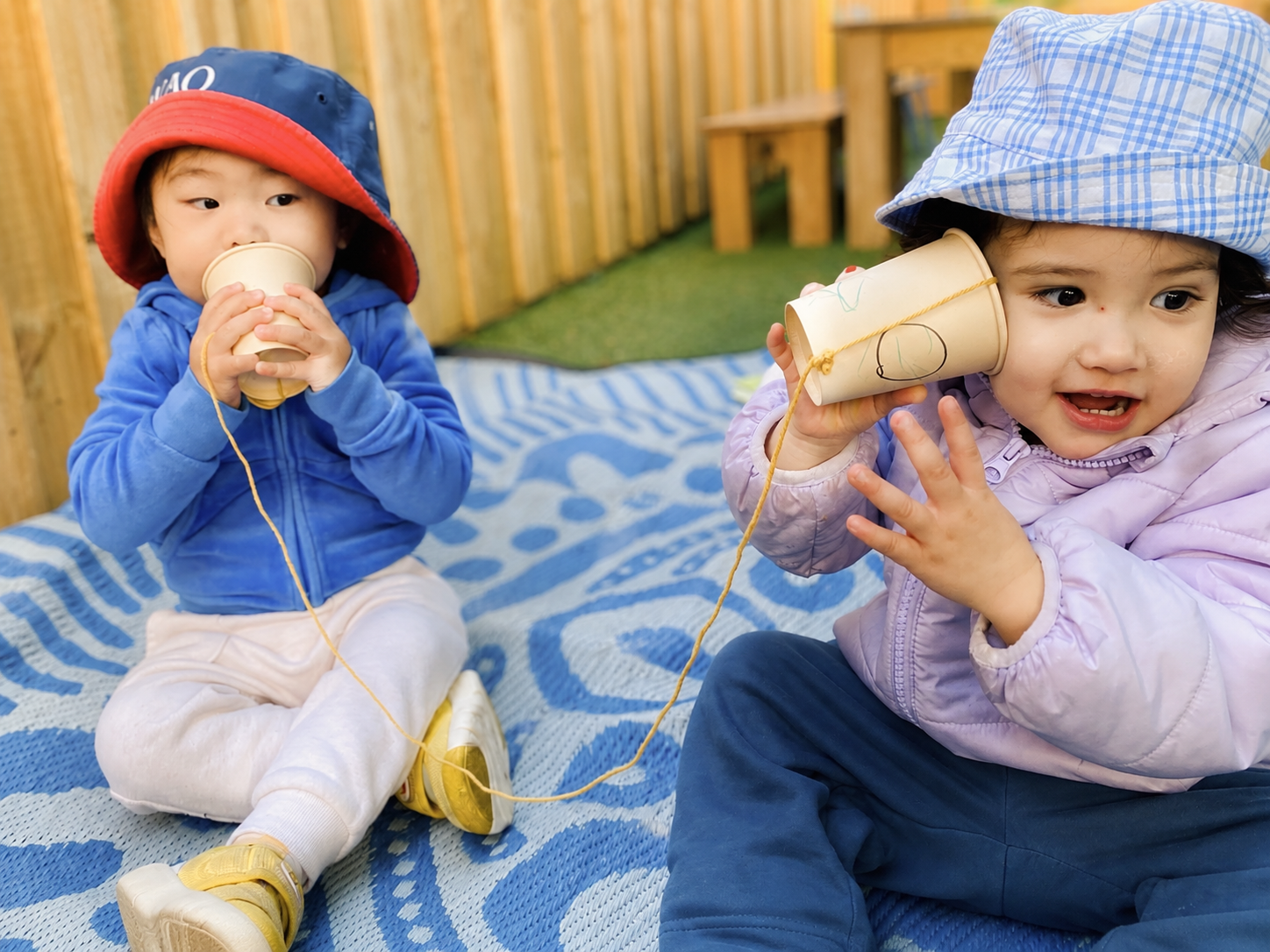
Settling is a relationship, not a race
Some children walk into a new room confidently on their first day. Others need time to watch, stay close to a trusted adult and understand the rhythm of the day. Both responses are normal.
At Kelvin Kindergarten Long Day Care & Preschool St Ives, we do not measure a successful transition by how quickly a child stops crying. We look for growing trust: accepting comfort, beginning to explore, connecting with a familiar educator, joining a routine and gradually showing more of their personality.
Because Kelvin is a small centre, educators can notice the details that help an individual child feel secure—how they like to be greeted, the words used at home, their favourite activity, the way they show tiredness and the kind of comfort they accept.
Five practical ways we support a calm start
A familiar educator
Consistent relationships help a child know who will welcome, comfort and guide them through the day.
Gradual orientation
Short visits let children explore with a trusted family member before managing a longer separation.
Predictable routines
Familiar sequences around arrival, meals, rest and collection reduce uncertainty and build confidence.
Family knowledge
Parents tell us about words, interests, routines, comfort strategies and recent changes that matter.
Calm communication
Clear updates help families understand small signs of progress without pretending every day will be identical.
Child-led pace
We offer invitations to join, while respecting that observing from a safe place can also be meaningful participation.
What families can do before the first day
Preparation works best when it is simple and honest. Talk about the educators, the room and what will happen at drop-off. Avoid promising that a child will not feel sad; instead, reassure them that sadness can be managed and that you will return.
- Use the educator’s name and look at centre photos together.
- Practise a short, consistent goodbye phrase.
- Keep the morning routine as predictable as possible.
- Share sleep, meal, toileting and comfort information with educators.
- Bring a permitted comfort item if this helps your child feel connected to home.
Signs that settling is moving forward
Progress is often uneven. A child may have a confident morning and then need more support the next day. Look for the direction of change over several weeks, not one isolated drop-off.
- Your child accepts comfort from a familiar educator.
- They begin exploring after you leave, even if they were upset initially.
- They show interest in a person, toy, book, meal or routine.
- They eat, rest or communicate their needs more comfortably.
- They talk about the centre, educators or other children at home.
- Recovery after separation becomes quicker or more predictable.
When a child needs more support
If distress remains intense, recovery is not improving or a child’s sleep, eating and behaviour are becoming increasingly unsettled, families and educators should pause and review the plan together. The answer may be shorter days for a period, a different arrival routine, more orientation visits or one educator taking clearer responsibility for welcome and connection.
We also consider what is happening beyond childcare. Illness, travel, a new sibling, family stress or a long break can temporarily make separation harder. Responding to the whole child is more useful than treating every difficult morning as the same problem.
Why a smaller centre can help
For families moving from a larger or busier service, a smaller environment may feel easier to read. There are fewer transitions to process, familiar adults are easier to identify and educators have more opportunities to recognise a child’s cues early.
Kelvin’s approach is preschool-first and childcare-supported: we protect emotional safety and everyday care while helping children build self-regulation, communication, executive function, social competence and confidence as a learner.
Every child is known
Would you like to talk about your child’s transition?
Visit Kelvin Kindergarten in St Ives, meet our educators and discuss a settling plan that reflects your child and family.