
Learning & Curriculum
Purposeful play. Thoughtful teaching.
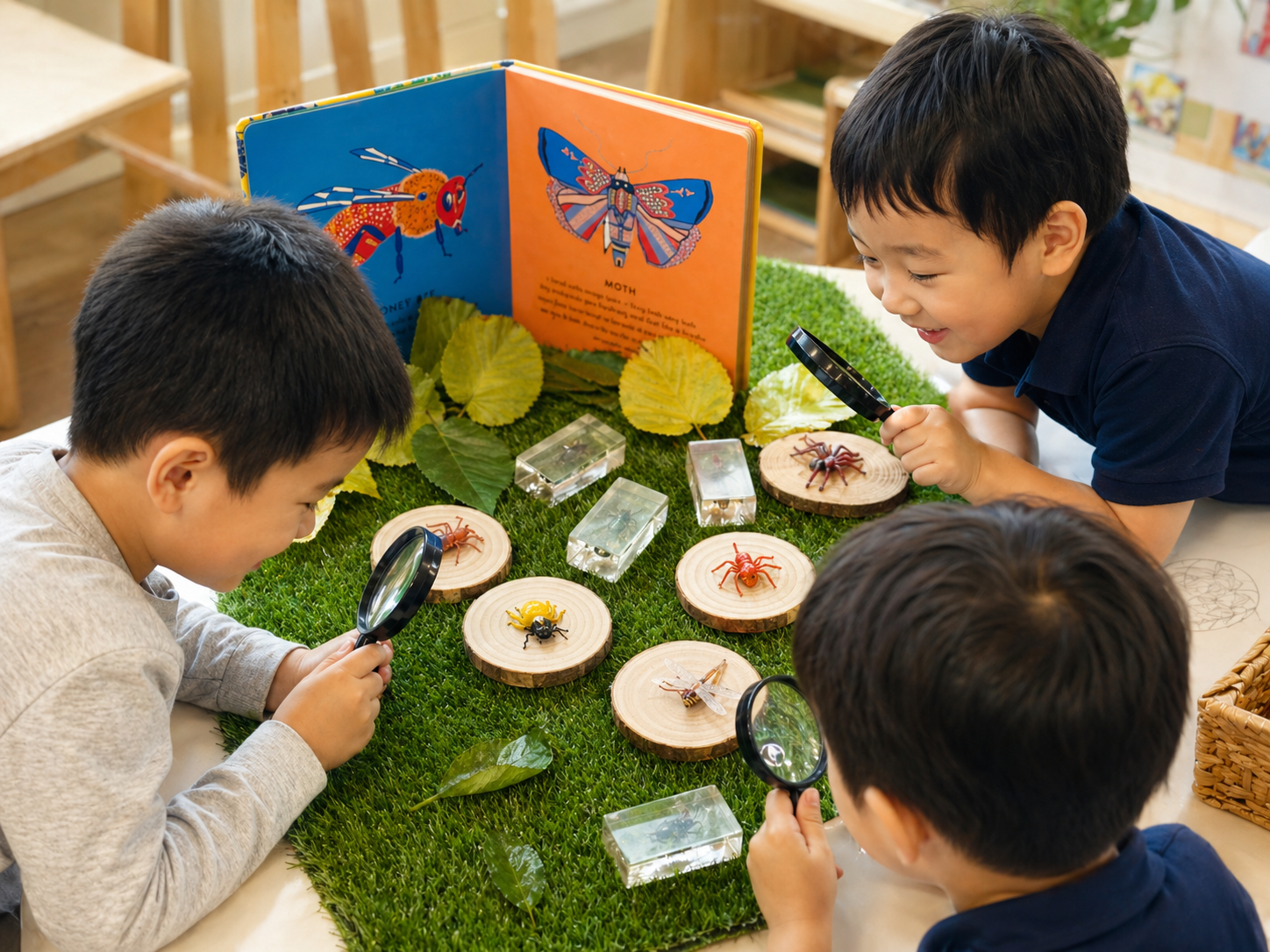
At Kelvin Kindergarten Long Day Care & Preschool St Ives, our play-based curriculum connects the Early Years Learning Framework V2.0, children’s interests, family knowledge and intentional teaching.
Experiences are observed, planned, extended and documented so every child can participate as a capable learner—not follow a one-size-fits-all program.
Our Curriculum
A connected learning journey
Learning begins with secure relationships and close observation. Educators notice what children are trying to understand, then shape environments, questions and experiences that help ideas grow.
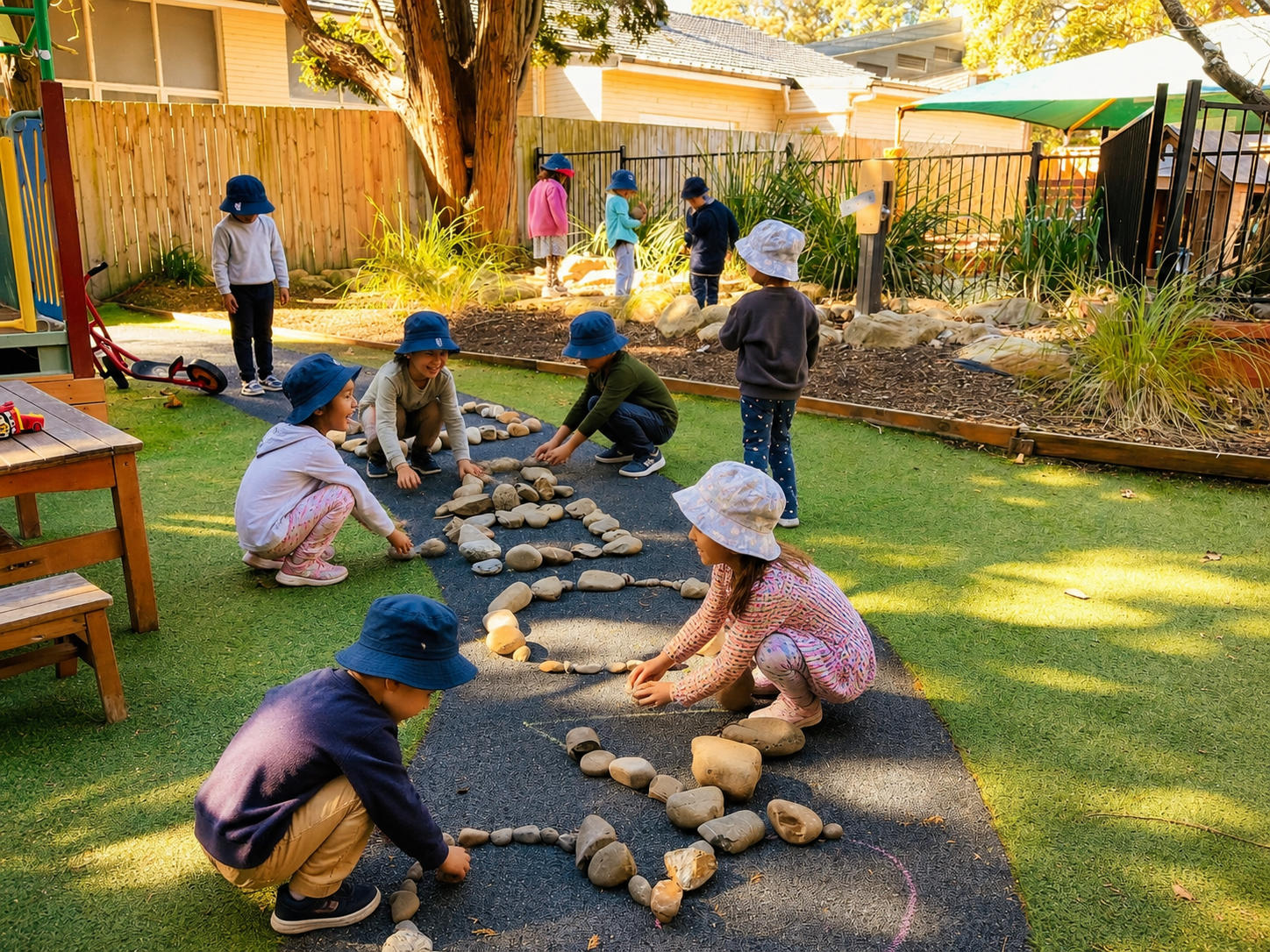
Care moments, outdoor play, meals, projects, group experiences and conversations all contribute to the curriculum in our St Ives long day care and preschool.
Early Years Learning Framework V2.0
Belonging, Being & Becoming
The EYLF V2.0 guides approved early childhood education and care services across Australia. At Kelvin, its vision becomes visible through relationships, responsive teaching and meaningful play.
Belonging
Children feel connected to family, culture, educators, friends and their learning community.
Being
Childhood is valued now, with time to play, wonder, communicate and experience joy.
Becoming
Children build identities, knowledge, confidence and capabilities through change and growth.
Our Educational Leader Framework
Five Capabilities for lifelong learning
Our Five Capabilities make children’s development easier for educators and families to notice, support and discuss across everyday care, play and the transition to school.
Self‑Regulation
Recognising feelings, recovering from strong emotions and using support and strategies.
Language & Expressive Communication
Sharing ideas, listening, asking questions and expressing needs with growing confidence.
Executive Function
Remembering, focusing, planning, adapting and persisting through meaningful challenge.
Social Competence
Joining play, cooperating, negotiating and building respectful relationships.
Confidence as a Learner
Trying, wondering, making choices and seeing oneself as capable.
Play-Based Learning
Serious learning in a child’s natural language
Explore
Children manipulate, compare, build, move and experiment with real materials.
Imagine
Dramatic play, art, storytelling and music strengthen symbolic thinking and communication.
Collaborate
Shared projects develop negotiation, empathy, planning and flexible thinking.
Emotional & Social Learning
Regulation before expectation
Feelings have names
Educators help children recognise body signals, emotions and needs.
Conflict can teach
Children are coached to listen, negotiate, repair and find workable solutions.
Belonging is practised
Predictable routines and responsive relationships help children participate with confidence.
Emerging Literacy & Numeracy
Foundations woven through meaningful play
Language & literacy
Stories, songs, mark-making and conversation build vocabulary, comprehension and early print awareness.
Mathematical thinking
Children explore number, pattern, measurement, sorting and spatial reasoning in daily play.
Learning habits
Focus, persistence, organisation, collaboration and asking for help.
Educator-Guided Learning
Intentional, responsive and evidence-informed
Observe & plan
Educators document strengths, interests and emerging skills, then plan relevant next steps.
Extend without taking over
We introduce language, tools, ideas and challenge while protecting children’s agency.
Reflect & communicate
The team reviews what worked, adapts the environment and shares learning with families.
Include every learner
Experiences are adjusted for temperament, culture, language, ability and additional needs.
Classrooms
One philosophy, age-responsive practice
Young Toddlers
Secure attachment, sensory discovery, movement and early communication.
Toddlers
Language, independence, emotional regulation and social play.
Preschool & School Readiness
Inquiry, friendship, literacy, numeracy and a confident transition to school.
National Quality Standard
Quality across the whole experience
Our St Ives child care and preschool practice is guided by all seven National Quality Standard Quality Areas, so learning, safety, relationships, leadership and family partnership are considered together.
Educational Program & Practice
A responsive curriculum, intentional teaching and ongoing reflection.
Children’s Health & Safety
Protective routines, nutritious meals, wellbeing and Four‑Eye Supervision practice.
Physical Environment
Inclusive indoor and outdoor spaces that invite play, movement and investigation.
Staffing Arrangements
A stable, familiar team with clear responsibility and collaborative practice.
Relationships with Children
Respectful, equitable and responsive interactions where every child is known.
Families & Communities
Shared information, genuine partnership and connection with our local community.
Governance & Leadership
Clear systems, educational leadership, reflection and continuous improvement.
See Learning in Action
Visit Kelvin Kindergarten
Meet our educators, explore the learning environments and talk with us about what helps your child feel secure, curious and confident.