
Choosing Childcare in St Ives
How to Choose a Childcare Centre in St Ives: What Matters Beyond Activities
Beautiful activity photos can be appealing, but the quality of a child’s daily experience depends on relationships, supervision, routines, communication and how well educators know each child.
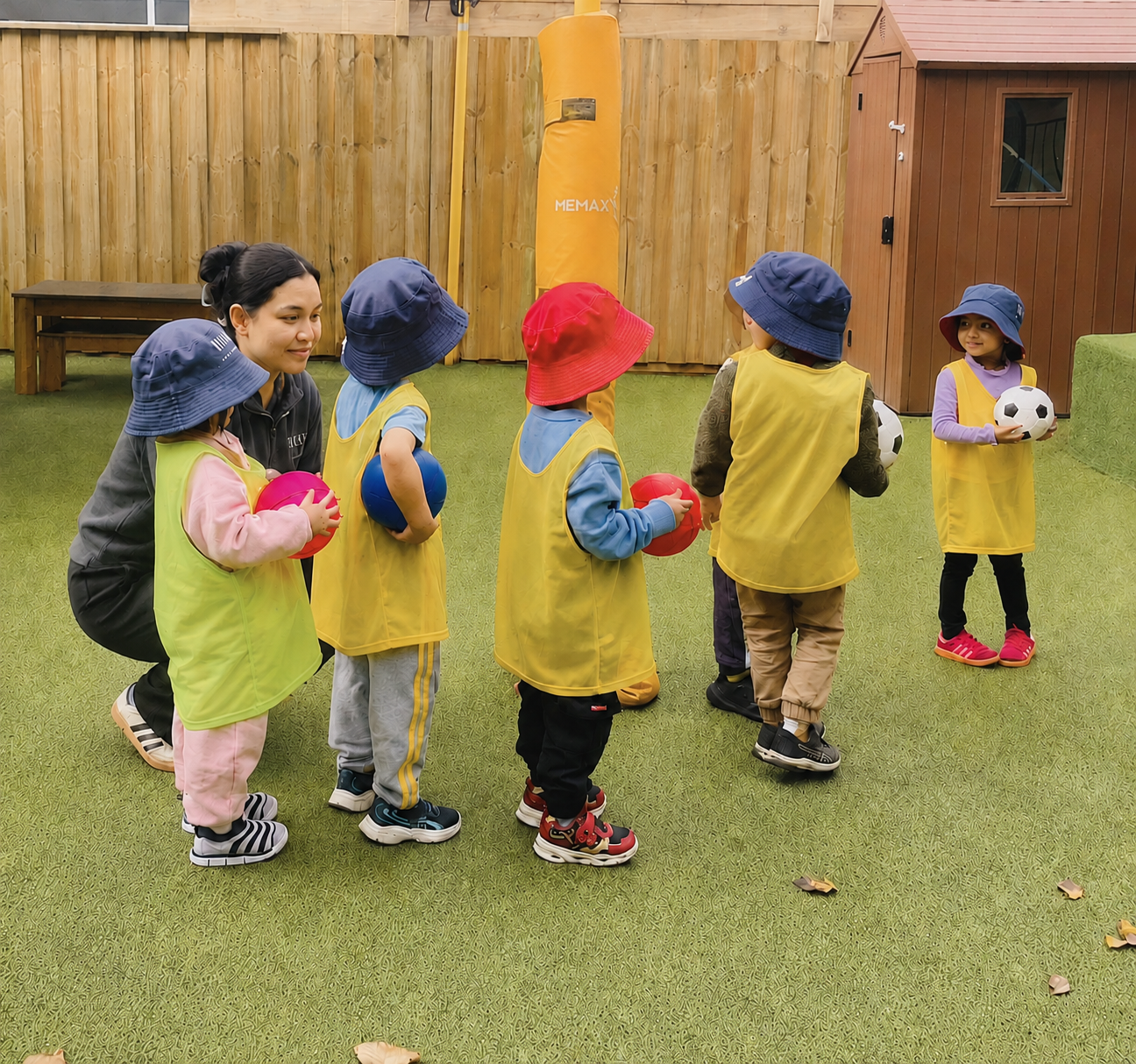
Start with the experience your child will have every day
When families compare childcare centres, it is easy to focus on visible features: a new playground, a long activity list, technology or a polished entrance. These details may matter, but they do not tell you how your child will be greeted on a difficult morning, how educators respond to their cues or whether someone will notice a quiet change in behaviour.
A strong long day care or preschool should be able to explain not only what children do, but why its practices support wellbeing, learning and belonging. The best tour questions reveal what happens between the planned experiences.
Eight things worth looking for on a centre tour
Warm, familiar educators
Notice whether educators know children’s names, interests and individual ways of communicating.
Calm supervision
Educators should be positioned, attentive and able to explain how supervision is maintained through routines and transitions.
Children who feel secure
Look for children seeking help, sharing ideas and moving confidently between play and a trusted adult.
Predictable routines
Arrival, meals, rest, toileting and collection should be thoughtful parts of the curriculum, not interruptions to it.
Meaningful learning
Educators should be able to connect play with language, self-regulation, problem-solving and social competence.
Family partnership
Ask how your knowledge of your child shapes settling, routines, goals and ongoing communication.
Safe, cared-for spaces
Environments should be organised, maintained and inviting without needing to look like a showroom.
A clear sense of fit
The centre’s values should match what your family wants your child to feel and learn each day.
Questions that reveal more than an activity program
- Who will be my child’s familiar educator during the settling period?
- What happens if my child is distressed after I leave?
- How do educators respond when children do not want to join a group experience?
- How do you support self-regulation, communication and social confidence?
- How are nappy changes, rest and mealtimes supervised?
- How do families receive honest updates about progress and difficult days?
- How stable is the team, and how are relief educators introduced?
- How does the program connect with the EYLF V2.0 and National Quality Standard?
Why educator stability matters
Young children learn through relationships. A stable team gives educators time to understand each child’s temperament, family context, interests and non-verbal cues. It also allows parents to build trust with the people who care for their child.
Ask how long educators have been at the centre and how staffing changes are managed. No centre can promise that every educator will stay forever, but leaders should be able to explain how continuity, handover and responsibility are protected.
Look closely at supervision and everyday care
Quality is often most visible during ordinary routines. Watch how educators position themselves outdoors, manage transitions and respond when several children need help at once. Ask what happens during toileting and nappy-changing routines.
At Kelvin Kindergarten, our supervision approach includes a four-eye principle: children are not placed in situations where only one adult and one child are isolated from others, particularly during personal-care routines. This strengthens transparency, safety and professional accountability.
Meals, rest and communication also shape quality
Ask where food is prepared, how menus respond to children and how dietary needs are managed. Kelvin’s meals are freshly prepared on site, with nutritious choices reviewed regularly and discussed with families so children’s preferences and needs can be understood.
Communication should be more than a stream of photographs. Families need useful information: what their child ate, how they rested, what helped them settle, what educators noticed and how learning is developing over time.
How to compare your final options
After each tour, write down how the centre felt before reading its brochure again. Did educators appear connected with children? Were leaders clear and honest? Could you imagine raising a concern and receiving a thoughtful response?
- My child is likely to be personally known here.
- The team can explain how care and learning work together.
- Supervision and child safety practices are clear.
- The environment feels calm enough for my child.
- Communication appears useful and honest.
- The centre’s approach matches our family’s priorities.
Small centre. Deeper connection.
See what quality feels like in practice
Visit Kelvin Kindergarten Long Day Care & Preschool St Ives, meet our team and ask the questions that matter for your child.