
2026 local guide · Preschool and long day care
How to Choose the Right Preschool in St Ives: 2026 Guide for Local Families
The right preschool should work for your family’s practical needs while giving your child a secure, thoughtful and genuinely educational day. This guide helps St Ives families compare relationships, curriculum, safety, meals, communication and school readiness.
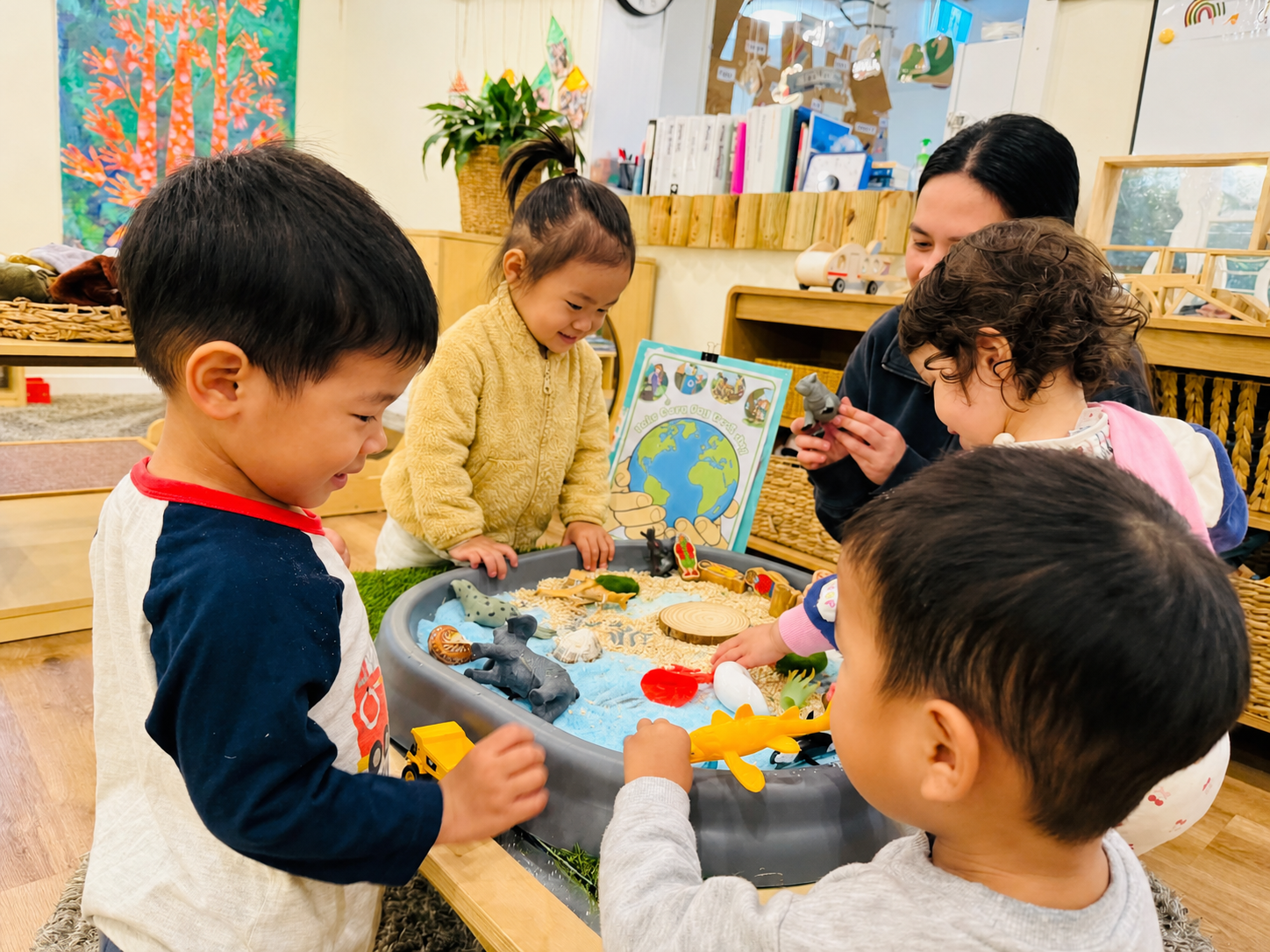
Begin with fit, not a list of facilities
St Ives families can choose from community preschools, long day care services and larger early learning centres. Each model has practical differences, but the most important question is what your child will experience with the people, pace and routines of the service.
Look beyond polished rooms and scheduled activities. Notice whether children appear relaxed, whether educators can explain individual learning and whether family questions receive specific answers. A quality preschool should be able to show how its philosophy becomes daily practice.
Seven areas to compare in 2026
Educator continuity
Ask who will spend the day with your child, how long educators have worked together and how absences are covered.
Settling support
Look for gradual, individual support and meaningful conversations about temperament, routines and previous care.
Educational practice
Programs should respond to children’s interests, extend thinking and connect observations to intentional decisions.
Child safety
Ask about supervision, visibility, personal-care routines, authorised collection and how the team responds to risk.
Meals and wellbeing
Understand how food is prepared, allergies are managed and children’s preferences and family feedback inform menus.
Family communication
Daily information should describe wellbeing, relationships and learning—not rely only on app photos.
School readiness
Strong programs build regulation, language, thinking, social competence, independence and learner confidence.
Preschool-first education with long day care support
Some families need preschool learning and working-day hours. These are not incompatible. At Kelvin Kindergarten Long Day Care & Preschool St Ives, the educational program extends across the day while our opening hours support family routines.
Rather than treating learning as a short “preschool session,” educators use play, meals, outdoor experiences, conversations, projects and care routines as connected opportunities for development.
What curriculum quality looks like
Children have agency
They make choices, propose ideas and influence what happens rather than only following adult plans.
Educators are intentional
Adults observe carefully, ask useful questions, introduce knowledge and know when to step back.
Learning has continuity
Children can revisit investigations and build increasingly complex theories over time.
Families contribute
Home languages, culture, interests, goals and everyday knowledge meaningfully shape planning.
Frameworks should be visible in practice
Australian early childhood services work within the National Quality Framework. Educational programs draw on the Early Years Learning Framework V2.0, and quality is considered across seven National Quality Areas: program and practice, health and safety, physical environment, staffing, relationships, family and community partnerships, and governance.
Families do not need to memorise framework language. Ask the service to explain how these expectations shape a real part of the day—such as settling, meal planning, supervision, curriculum decisions or transition to school.
Kelvin’s Five Capabilities
Kelvin makes long-term learning understandable through five connected capabilities:
- Self-regulation: recognising feelings, accepting support and recovering from challenges.
- Language and expressive communication: listening, explaining, questioning and sharing ideas.
- Executive function: focusing, planning, remembering steps, shifting attention and persisting.
- Social competence: joining play, negotiating, cooperating and understanding perspectives.
- Confidence as a learner: making choices, testing theories and having another try.
Questions to take on your St Ives preschool tour
Relationships
How will my child build trust with familiar educators? What happens if settling takes longer than expected?
Practice
Can you show me a recent example of children’s ideas changing the program?
Safety
How is supervision organised during indoor, outdoor, sleep and personal-care routines?
Communication
How will we share goals, family changes, cultural knowledge and concerns?
Meals
Where is food prepared, how is the menu reviewed and how are medical dietary needs managed?
Transition
How do you support school readiness and communicate strengths and strategies to families and schools?
Notice how the centre feels during ordinary moments
Arrivals, transitions, meals and moments of disagreement reveal more than a display wall. Look for educators speaking respectfully, children accessing help, calm boundaries and a team that appears to communicate with one another.
Kelvin’s small-community model supports familiar relationships, freshly prepared meals, Four-Eye Supervision and personal family communication. It may particularly suit children who need time to warm up or who have found a larger, busier service difficult.
Visit Kelvin Kindergarten in St Ives
Meet our educators, explore the rooms and discuss what your child needs from preschool and long day care in 2026.