
St Ives family guide · Transition to school
What Does School Readiness Really Mean? A Guide for St Ives Families
School readiness is not a checklist of letters, numbers and worksheets. It is a broad set of capabilities that helps a child participate, communicate, manage change, build relationships and approach learning with confidence.
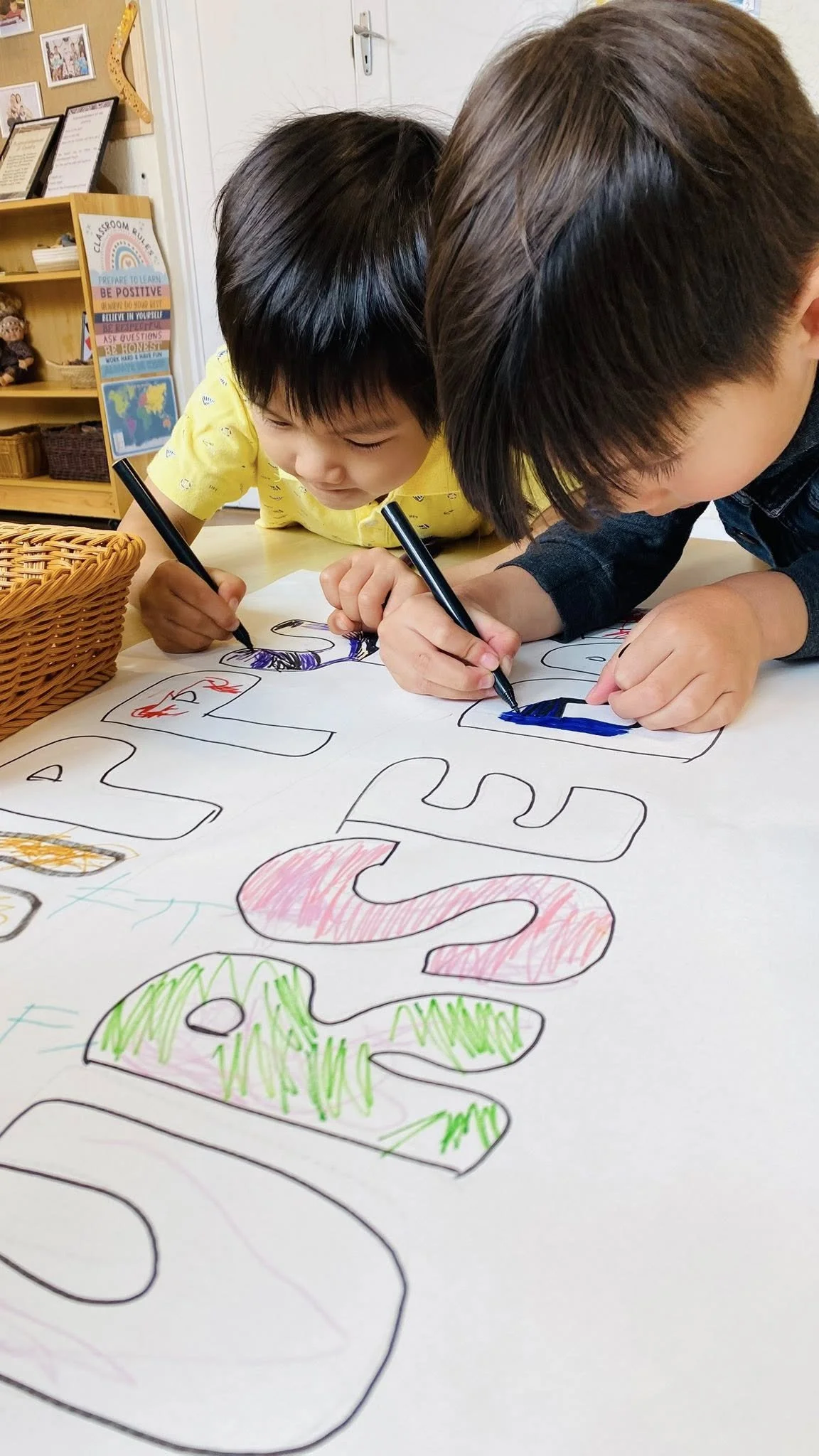
Ready for school means ready to participate
Children begin school with different strengths, interests, languages and developmental pathways. Readiness is not about making every child look the same before the first day. It is about helping each child develop the confidence and practical skills to become part of a new learning community.
At Kelvin Kindergarten Long Day Care & Preschool St Ives, school readiness grows across the whole day: while children negotiate play, explain an idea, remember a plan, manage a transition, care for belongings and try again after something is difficult.
Kelvin’s Five Capabilities for school readiness
Self-regulation
Recognising feelings, accepting support, coping with waiting and recovering after frustration.
Language and expressive communication
Listening, joining conversations, explaining needs, asking questions and sharing increasingly complex ideas.
Executive function
Remembering steps, shifting attention, planning, controlling impulses and persisting with a goal.
Social competence
Entering play, understanding another perspective, cooperating, negotiating and repairing relationships.
Confidence as a learner
Having a go, making choices, testing ideas and seeing mistakes as part of learning.
Where literacy and numeracy fit
Early literacy includes enjoying stories, understanding that print carries meaning, hearing sounds in words, noticing symbols, drawing, mark-making and using language for many purposes. Early numeracy includes pattern, quantity, comparison, measurement, shape, position and mathematical thinking in real contexts.
These ideas become meaningful when children use them in play: writing a sign for a shop, counting plates, measuring a construction, following a recipe, predicting what will happen or recording an observation. Repeated worksheets may produce a finished page, but they do not automatically show deep understanding.
Readiness grows through everyday preschool practice
Long projects
Children plan, revise, collaborate and return to an idea over several days rather than completing only quick activities.
Group participation
Small and whole-group experiences support listening, contributing, waiting and responding to different viewpoints.
Real responsibility
Children care for materials, organise belongings, help with routines and experience themselves as capable community members.
Supported challenge
Educators offer enough help for children to continue while leaving space for problem-solving and independence.
Guided by the EYLF V2.0
The Early Years Learning Framework V2.0 describes children as confident and involved learners, effective communicators and active participants in relationships and community. These outcomes align closely with the capabilities children need when they begin school.
Quality preschool programs are intentional without becoming school-like too early. Educators observe, plan and extend learning while protecting children’s right to play, rest, move, wonder and develop at an individual pace.
Signs of growing readiness families may notice
- Your child can separate with support and reconnect after goodbye.
- They can communicate basic needs to a trusted adult.
- They show interest in peers and can take part in shared play.
- They persist for longer with a task or idea they care about.
- They are developing independence with dressing, eating, toileting and belongings.
- They can follow familiar routines and manage small changes with support.
- They enjoy stories, conversation, counting, drawing and problem-solving in everyday contexts.
How families can help without creating pressure
- Read and talk together every day, following your child’s questions.
- Invite your child to help with shopping, cooking, sorting, measuring and planning.
- Practise opening lunch containers, managing clothing and caring for belongings.
- Support playdates and opportunities to negotiate with other children.
- Talk positively and realistically about school without promising that every moment will be easy.
- Share questions with preschool educators so home, school and early learning can work together.
A transition, not a test
Readiness belongs to more than the child. Families, preschools and schools all contribute to a successful transition. Useful transition information describes the child’s strengths, interests, relationships, learning strategies and the supports that help them participate.
If your child needs additional support, early, respectful collaboration is more valuable than waiting for them to “catch up” alone. Being ready for school includes knowing that trusted adults will help.
Explore school readiness at Kelvin
Visit our St Ives preschool and see how play, relationships and the Five Capabilities prepare children for school and for learning beyond it.