
Parent guide · Calm spaces and confident learning
Why Calm Environments Matter in Early Childhood Education
A calm early learning environment is not a silent room. It is a thoughtful place where children can hear one another, find what they need and become deeply involved in play without unnecessary rush or sensory overload.
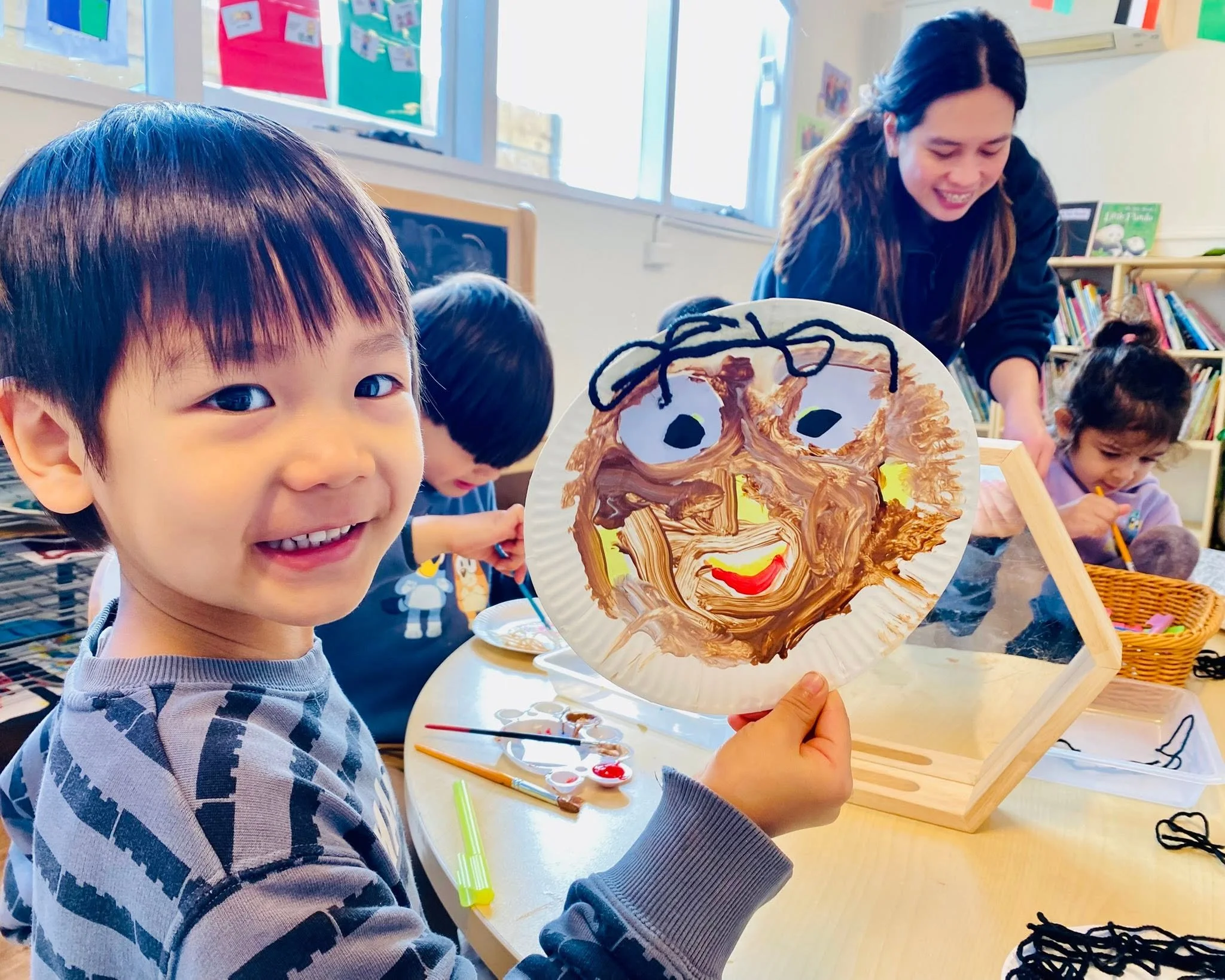
Calm is something children can feel
Children take in lighting, sound, movement, the pace of routines and the emotional tone of the adults around them. When a room is clear, welcoming and predictable, children spend less energy working out what will happen next. They can use that energy to play, communicate, make friends and solve problems.
At Kelvin Kindergarten Long Day Care & Preschool St Ives, calm does not mean expecting every child to sit still. Children can move, laugh, build, negotiate and explore. The difference is that the environment is designed to support purposeful activity rather than constant noise, clutter and interruption.
Four features of a calm early learning setting
Clear, inviting spaces
Resources are organised and accessible, with room for active play as well as quieter concentration.
Unhurried routines
Meals, rest, transitions and care moments allow time for children to participate instead of being rushed through the day.
Responsive educators
Educators notice the energy of the group, adjust the environment and help children regulate before difficulties escalate.
Predictable rhythms
Children know the broad shape of the day while educators remain flexible when an individual or group needs something different.
How calm spaces support development
- Self-regulation: quieter options and responsive support help children recognise their feelings and return to a comfortable level of alertness.
- Language and communication: children can hear conversations, notice facial expressions and take part in sustained back-and-forth exchanges.
- Executive function: fewer unnecessary distractions make it easier to focus, remember a plan and persist with a complex idea.
- Social competence: smaller play areas and attentive educators create better conditions for cooperation, turn-taking and repairing misunderstandings.
- Confidence as a learner: children can revisit projects, make decisions and experience the satisfaction of completing something meaningful.
What calm practice looks like across the day
At arrival
A familiar educator welcomes the child, acknowledges family information and allows a gentle transition into play.
During learning
Experiences remain available long enough for children to investigate. Educators extend ideas without taking control.
At meals and rest
Freshly prepared meals and care routines are treated as relationship-rich parts of the day, with time for conversation and participation.
During transitions
Children receive clear cues and manageable choices. The whole group is not moved simply because the clock says so.
Connected to the EYLF and National Quality Standard
The Early Years Learning Framework V2.0 recognises that children learn through responsive relationships, play, agency and environments that invite participation. Calm, well-organised spaces also support the National Quality Standard, including Quality Area 1 educational program and practice, Quality Area 3 physical environment and Quality Area 5 relationships with children.
For families, the most useful question is not whether a room looks perfect in a photograph. It is whether children appear comfortable, engaged and known. A good environment changes with the children who use it.
What to notice when visiting a preschool or childcare centre
- Can children choose between energetic and quiet play?
- Are resources within reach and presented with care?
- Do educators speak respectfully and at the child’s level?
- Are children deeply involved, or frequently interrupted?
- Do meals, care routines and transitions feel calm and relational?
- Is there space for children to pause when the room feels busy?
Experience Kelvin’s calm, small-community approach
Book a visit to Kelvin Kindergarten in St Ives and see how our rooms, routines and educators support children to feel secure and ready to learn.