
Parent guide · Relationships and belonging
Why Familiar Educators Matter for Young Children
For babies, toddlers and preschoolers, learning begins with feeling safe. Consistent educators help children build trust, settle with confidence and take part in everyday learning at their own pace.
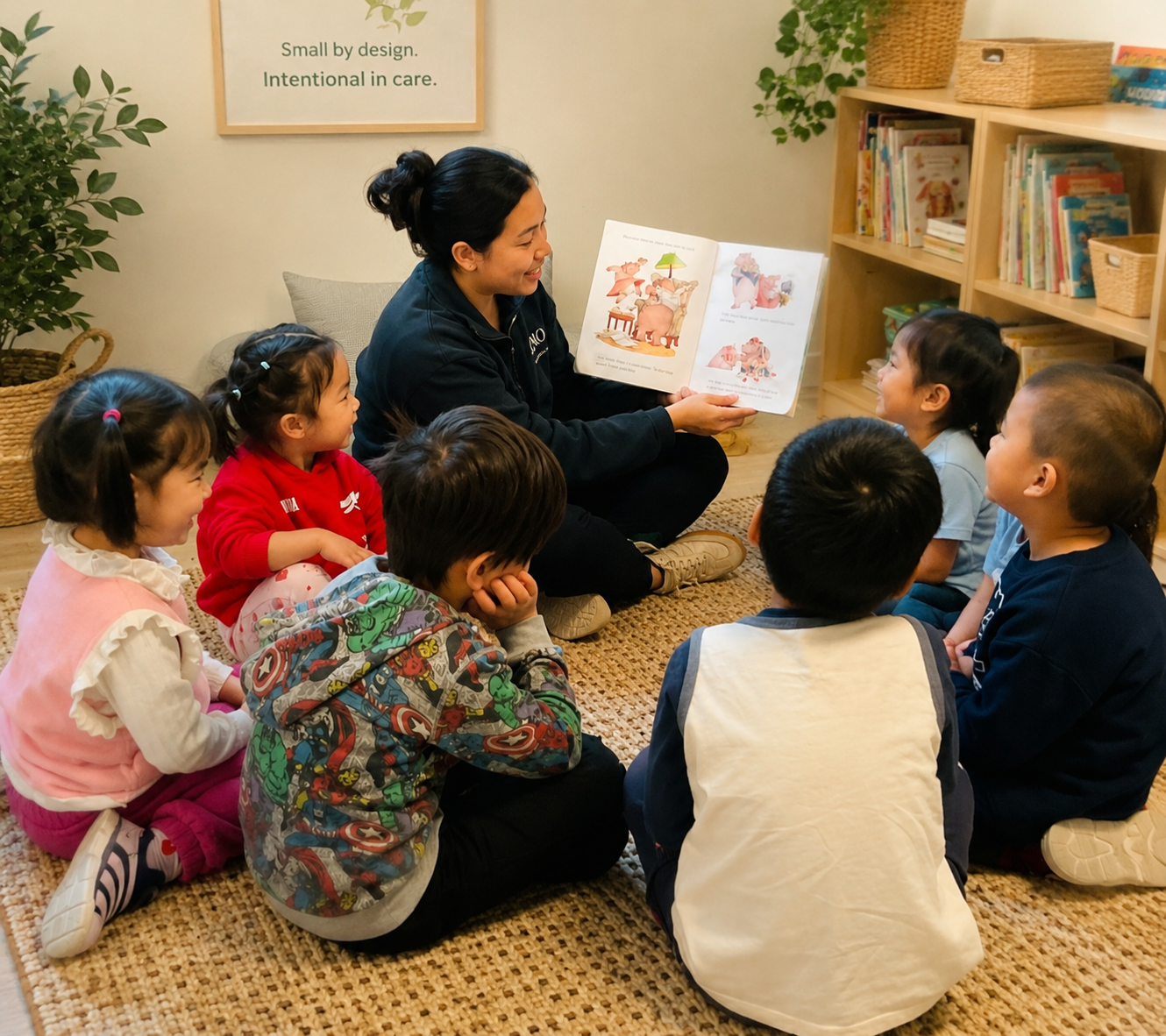
Familiarity creates emotional safety
Young children notice the people, rhythms and small details around them. When the same educators are present consistently, children learn who will comfort them, who understands their cues and who can help when a moment feels difficult. This predictability reduces the amount of uncertainty a child needs to manage.
At Kelvin Kindergarten Long Day Care & Preschool St Ives, our small-community approach supports genuine relationships. Educators have time to know each child’s communication style, favourite ways to play, family routines and signs that they may need reassurance.
What consistent educators make possible
Gentler settling
A known face can welcome the child, remember the family’s goodbye routine and offer comfort in a way that feels familiar.
Stronger communication
Educators recognise gestures, emerging words, temperament and non-verbal cues, so children are understood before they can explain everything.
Confident exploration
When children trust the adults nearby, they can move away to investigate, return for reassurance and try again after a challenge.
Continuity for families
Regular conversations with educators build a clearer shared picture of sleep, meals, interests, friendships and development.
Relationships support the Five Capabilities
Warm, responsive relationships are woven through Kelvin’s Five Capabilities. They help children practise self-regulation, language and expressive communication, executive function, social competence and confidence as a learner.
- Self-regulation: a trusted educator helps a child name feelings, co-regulate and gradually develop strategies of their own.
- Language and expressive communication: familiar adults recognise early attempts to communicate and respond in meaningful back-and-forth exchanges.
- Executive function: predictable routines make it easier to remember steps, shift attention and persist with an idea.
- Social competence: educators can gently support friendships because they know each child’s strengths and sensitivities.
- Confidence as a learner: children are more willing to test a theory or attempt something unfamiliar when support is close by.
What families can look for on a childcare tour
Children seek educators out
Notice whether children comfortably approach educators for help, conversation and shared play.
Educators know the details
Ask how information about routines, interests and development is shared across the team.
Transitions feel unhurried
Look for calm arrivals, thoughtful handovers and flexible support when a child needs more time.
Staffing feels stable
Ask who will spend the day with your child and how the centre maintains continuity when educators are away.
How Kelvin supports relationship continuity
Our educators work as a close, stable team. We use thoughtful room routines, clear family communication and careful handovers so children are surrounded by adults who know them. Our Four-Eye Supervision approach also means children are supported within a visible, collaborative team environment.
Families are partners in this process. We listen to what works at home, share observations from the day and adjust support as children grow. That consistency between home and preschool or childcare helps children feel that the important adults in their lives are working together.
Meet the educators your child will come to know
Visit Kelvin Kindergarten in St Ives to see our calm rooms, small community and relationship-based approach in person.